
Needlepunch Nonwoven Machine for Automotive Interior Trim
Mechanically bonded interior trim, from fiber to finished web on one integrated line.
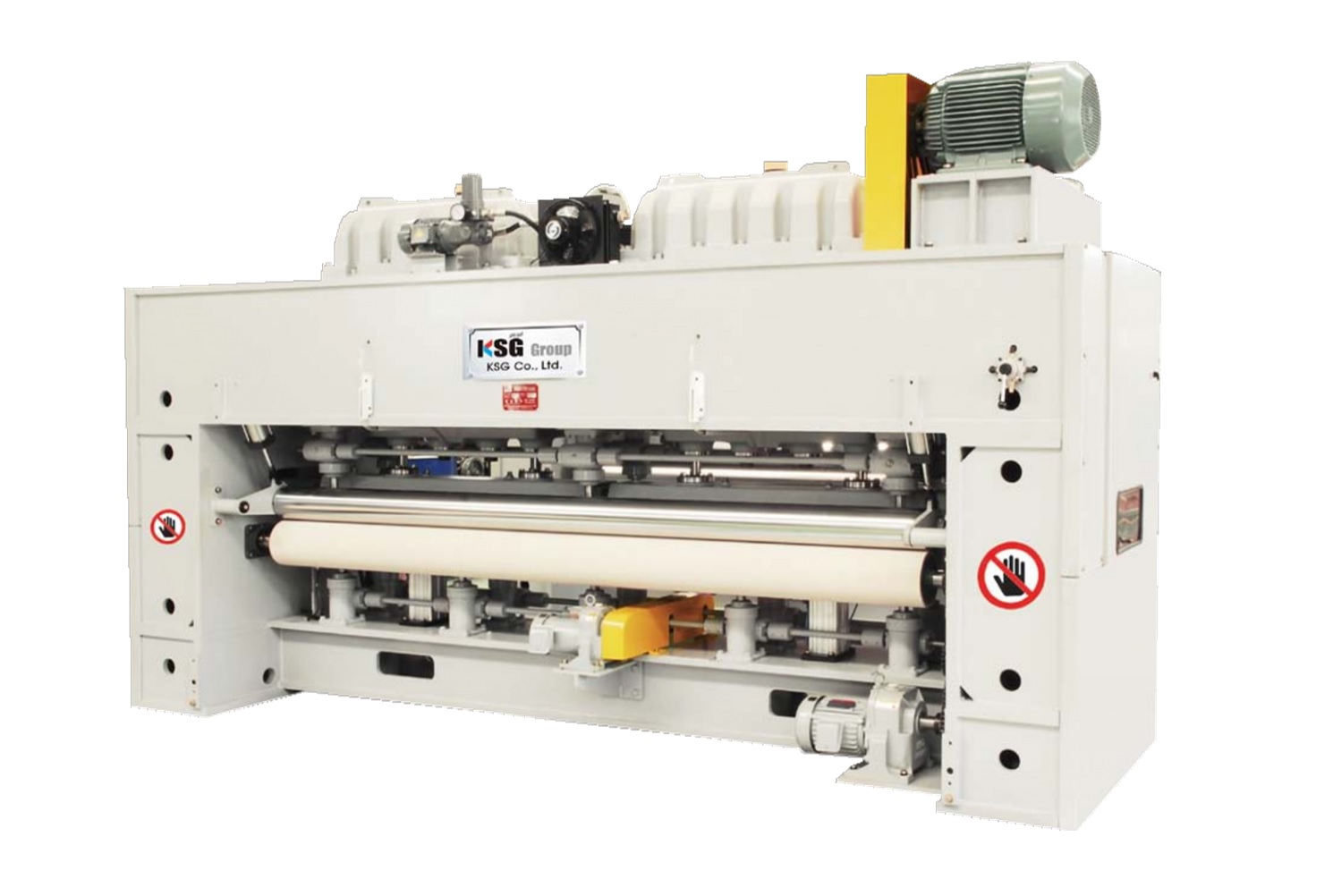
Needle punching is the workhorse process behind a large share of automotive interior parts: floor carpet base, trunk and load-floor trim, wheelhouse liners, and the felt substrates that later get molded or laminated. It bonds the web mechanically, with no resin or heat, so the fabric keeps the loft and recovery those parts need. A needlepunch nonwoven machine only performs as well as the web feeding it, though, which is why we treat the whole automotive nonwoven line as one system.
The line ahead of the needle loom
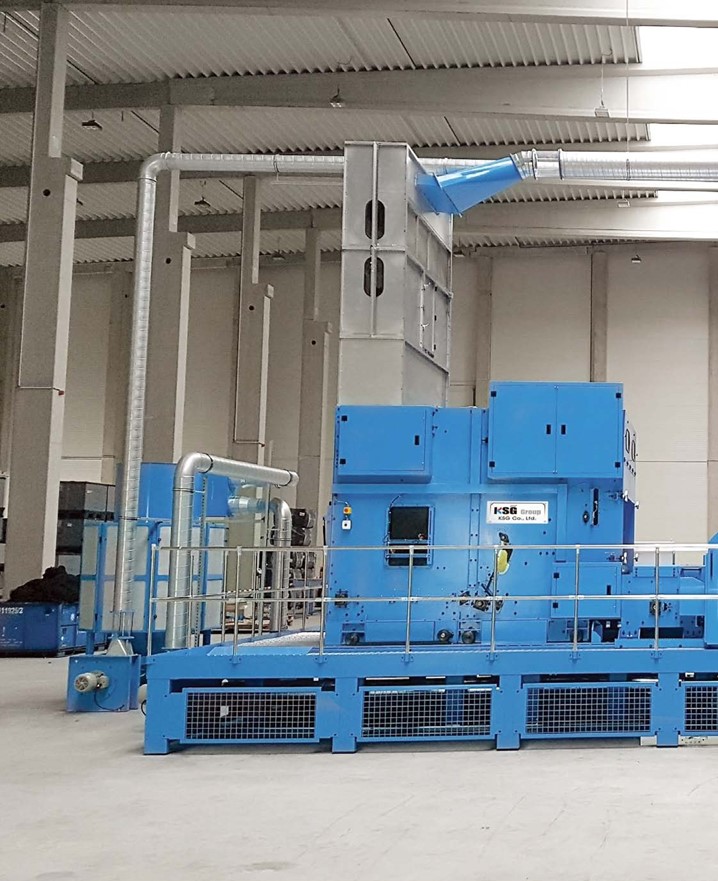
Everything upstream decides how the needle punching machine behaves. Fiber is opened and blended, weighed through a scale-box hopper feeder, and formed into a web by the carding machine. A cross lapper then folds that web to the target weight and width. If the lapper profile or the card web is uneven, the needle loom just locks that unevenness in, so we spend real effort getting the web right before it reaches the needles.
For automotive trim we normally set the line up for polyester or PET blends, sometimes with a bicomponent share when the part will later be molded. The carding and lapping stages are sized so the line can hold areal weight within a few percent across the working width, which is the tolerance most car programs write into their spec sheets.
Needle punching for automotive parts
The needle punching machine entangles the fibers vertically, and stroke rate, penetration depth, and advance per stroke together set the density and the surface. For heavier floor and structural parts we often run more than one loom in sequence, the same approach we use on our automotive headliner line, so the web is consolidated in stages rather than punished in a single pass.
Needle selection matters more here than people expect. Barb geometry and needle gauge change the feel of the surface and how much the fabric fuzzes, which shows up directly on visible trim. We set these with the customer during commissioning and note the working parameters so the plant can repeat them run to run.
A practical needlepunch line for interior trim runs somewhere in the range of a few meters per minute for dense structural felt up to considerably faster for lighter product. Throughput follows the web weight, so we size the card and the looms around the customer's actual product mix rather than a single headline number.
Changeover and upkeep
Tier suppliers rarely make one part all day. We lay the line out so a switch between products is mostly a recipe change: lapper layers, line speed, and needle-loom setpoints recalled from stored settings. The mechanical work that remains, mainly needle board handling, we design to be quick and safe so a shift crew can do it without waiting for a specialist.
Needles are consumables and boards get changed on a schedule tied to production hours. We supply the tooling and train the maintenance crew during installation, and because the looms are KSG-built we carry the spares and can get them to a plant in more than forty countries without a long lead time.
If you are specifying a new automotive nonwoven line or replacing an aging needlepunch section, KSG Group can supply the carding machine, cross lapper, and needle punching machine as a matched line and install it turnkey. Tell us the parts you make and the weights you run, and we will propose a configuration and an output figure you can plan around.
Ready to integrate the Automotive Interiors?
Contact our sales engineers to discuss integration, custom configurations, and pricing for your facility.