
Meltblown Nonwoven Line: Microfibre Process, Uses and Filter-Media Alternatives
How meltblown microfibre is made, where it wins, and when a needle-punched dry-laid filter fabric is the smarter buy.
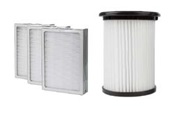
A meltblown nonwoven line makes some of the finest fibre in the industry, and it is the natural choice for high-efficiency filter media and certain absorbents. It is also a polymer-extrusion process, which is not what KSG manufactures. So treat this as a straight guide: what a meltblown machine does, what it is good for, and how it stacks up against the needle-punched filtration fabrics that come off the dry-laid lines we do build. No overselling, just the trade-offs we talk through with buyers.
How the meltblown process works
In a meltblown line, molten polymer, typically polypropylene, is extruded through a fine die while high-velocity hot air blows across the tip. That air stream attenuates the filaments to microfibre diameters, often one to five microns, far finer than anything a staple-fibre line handles. The microfibres are collected on a drum or belt as a self-bonded web, usually in the 10 to 50 gsm range, and wound off. The whole thing runs as one continuous extrusion machine.
The reason meltblown is a specialist purchase is that the process sits in a narrow window. Air temperature, air volume and die condition all have to hold steady or you get shot, roping and uneven basis weight. That sensitivity is exactly why it can produce such fine media, but it also means a meltblown production line is a precision extrusion investment, not a general-purpose fabric maker.
What meltblown is used for
The microfibre structure gives meltblown a very high surface area and small pore size, which is why it dominates fine filtration: face-mask media, HVAC and cabin-air filters, liquid cartridge filters and the barrier layer in SMS hygiene fabrics. It is also used as an absorbent core for oil sorbents and industrial wipes, where the fine capillary network soaks up liquid quickly.
What meltblown is not good for is strength or weight. On its own the web is fragile and light, so in structural or heavier applications it is laminated or combined with sturdier layers. If your requirement is depth filtration at higher basis weight, or a filter that has to survive mechanical handling and cleaning cycles, pure meltblown is rarely the whole answer.
Meltblown versus needle-punched filter media
This is the comparison most filtration buyers should actually make. KSG builds dry-laid lines that produce needle-punched filter fabric, and those two media solve different problems. Meltblown gives fine surface filtration and high capture efficiency in a light web. Needle-punched felt gives depth filtration, dust-holding capacity, mechanical durability and the weight and thickness that baghouse and industrial cartridge filters need.
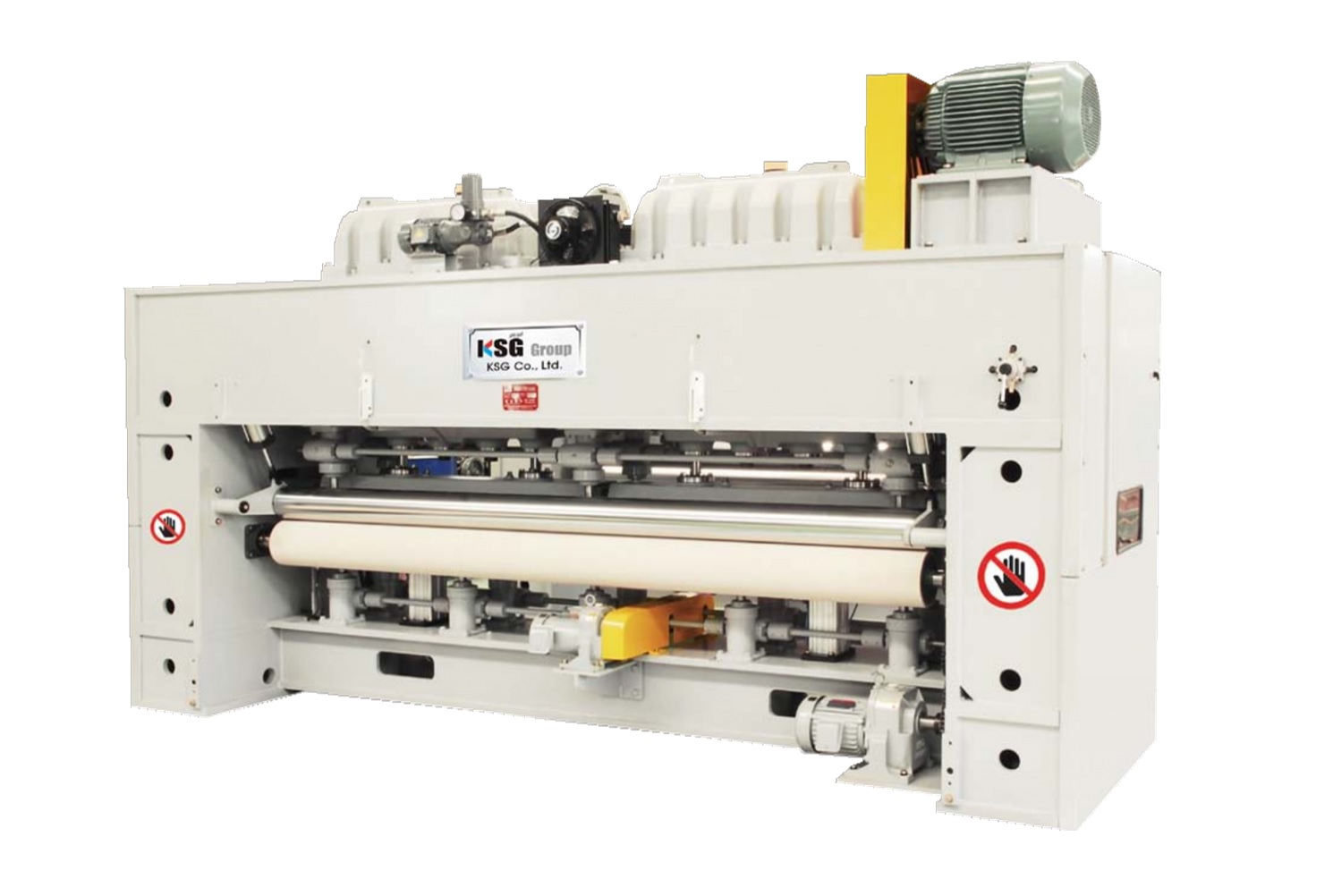
A needle-punched filtration line runs staple fibre through a carding machine, builds the batt on an HS cross lapper, then consolidates it with a needle punching machine to the density and thickness the filter calls for. You can blend fibres, hit heavy basis weights, and add a heating roll or bonding dryer line stage for surface finishing. That is a very different, and often more robust, filter than a bare meltblown web, and it is what dust-collection and liquid-filtration plants usually specify.
In practice the two are complementary: many high-end filters use a meltblown surface layer over a needle-punched support felt. If you are sourcing the durable felt side of that equation, that is a dry-laid line, and it is squarely what KSG builds. See our filtration-material line for how the carding, lapping and needling sections are configured for filter fabric.
When each process wins, and where KSG fits
Choose meltblown when you need fine-fibre surface filtration or a light absorbent web and you can commit to a single-polymer extrusion line. Choose needle-punched dry-laid when you need weight, depth, durability, blended or recycled fibre, or the mechanical strength that industrial filters and geotextiles demand. Most buyers who search for a meltblown machine and then describe a heavy, cleanable industrial filter are really describing a needle-punched felt.
KSG does not manufacture meltblown extrusion equipment, and we will tell you so up front rather than dress a staple-fibre line up as something it is not. What we do supply is the complete dry-laid line for needle-punched filter media and other engineered fabrics, from opening and the carding machine through the HS cross lapper, needle punching machine, bonding dryer line and the cutting and packing stages, all installed and commissioned by our own engineers. If your filter belongs on a needled line, send us the media spec and we will design it.
If you need true meltblown microfibre, that is a polymer-extrusion line and not something KSG builds. But if your filtration or absorbent product is better served by needle-punched felt, we supply the complete dry-laid line for it: opening, carding, cross lapping, needle punching, bonding, drying and cutting, engineered and installed as one package. Send us the media spec and target output and we will propose a line.
Related equipment
Related industry guides
Ready to integrate the Meltblown?
Contact our sales engineers to discuss integration, custom configurations, and pricing for your facility.