Winder for Nonwoven Fabric and End-of-Line Converting Equipment
Winding, slitting and sheeting equipment that turns a good web into rolls you can actually ship.
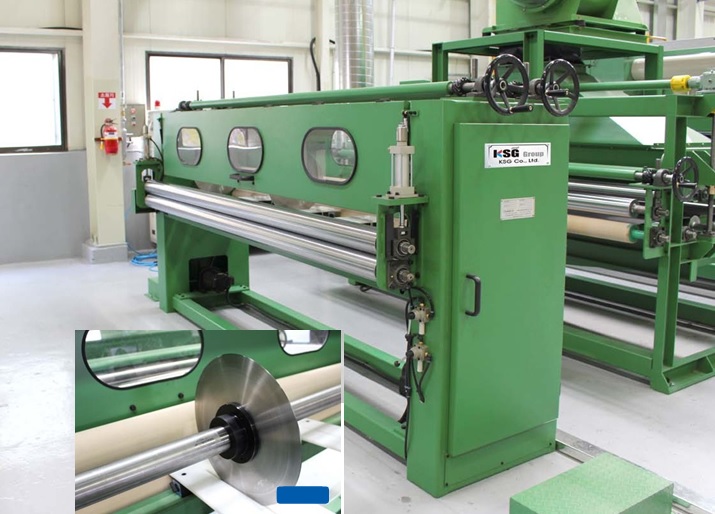
A lot of nonwoven plants pour their attention into carding and bonding and then treat the end of the line as an afterthought. That is usually a mistake. The winder for nonwoven fabric, the slitters and the sheeting station decide what widths, diameters and put-ups you can offer a customer, and a web that runs beautifully upstream can still be unsellable if it comes off the machine in the wrong format or with soft, telescoping rolls. We spend real design time on this section because it is where the product finally becomes a product.
What the winder actually controls
The job of a nonwoven winding machine sounds simple: take the continuous web off the line and build it into a roll. In practice it is where tension, taper and edge control all have to come together. Nonwoven webs are bulky and low in tensile strength compared with paper or film, so if you wind them too hard you crush the loft and if you wind them too soft the roll telescopes on the forklift. The winder has to hold a consistent tension profile from core to full diameter, and it has to do that across the weight range the plant sells, whether that is a 30 gsm agricultural cover or a heavy geotextile several hundred gsm thick.
Roll diameter and core size matter more than buyers expect. A converting customer downstream has a fixed unwind stand, so the roll you ship has to fit their machine, not just yours. We size the winder around the finished-roll spec the customer's own customers are asking for, and we build in the surface or centre drive arrangement that suits the web weights in question. Getting that right at the design stage saves a lot of arguing about roll quality later.
Slitting and sheeting: side cutter and cross cutter
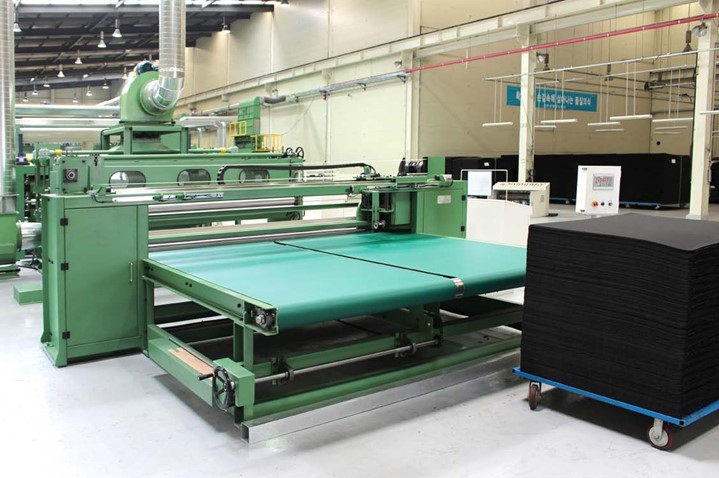
Most lines need to trim the selvedge and split the parent web into narrower rolls, and that is the side cutter's job. Running along the machine direction, it squares the edges and sets the finished width. Clean slitting matters because a ragged edge on a nonwoven roll shows up immediately in the converting line downstream, and trimmed edge waste that is not managed well becomes a housekeeping and cost problem. We tie the side cutter trim back into the fibre recycling side of the plant wherever it makes sense, so the offcut goes back into the blend rather than into a skip.
When the product ships as sheets rather than rolls, the cross cutter takes over. Working across the web, a cross cutter chops the running web into cut lengths at the line speed, which for dry-laid product typically sits in a broad range of a few metres a minute for heavy felts up to considerably faster for light webs. A rotary cutter handles the same job with a rotating blade arrangement when you need clean high-speed cutting. Matching the cutter type to the product and the line speed is part of the conversation we have before anything is quoted.
The important point is that slitting and sheeting are not bolt-on extras. Slitting and winding nonwoven fabric well is a system question, tension in the winder affects how the slit edges behave, and cut length accuracy on the cross cutter depends on how steadily the web is fed. We design these together rather than sourcing them piecemeal.
Roll handling and changeover realities
The part of nonwoven converting equipment that operators actually feel every shift is roll handling: getting a full roll off the winder, getting a fresh core on, and doing it without damaging the product or hurting anyone. Full rolls of wide nonwoven are heavy and awkward, so we build in the roll lifting, ejection and core-loading arrangements that keep the changeover quick and safe. A winder that produces perfect rolls but takes twenty minutes to unload is a winder that quietly caps the whole line's output.
Changeover between products is the other daily reality. A plant that switches between widths and put-ups needs slitter knives that reposition without a fight and a control system that remembers recipes. We commission the section with the operators who will run it, walking through the actual product changes they do rather than a demo sequence, so the line is genuinely usable on day one and not just at the acceptance test.
Where the KSG finishing lineup fits
KSG builds the end-of-line section as part of the complete dry-laid line rather than treating it as someone else's problem. Our finishing lineup covers the winder, the side cutter for edge trim and slitting, and the cross cutter and rotary cutter for sheeting, all specified around the web the upstream carding, cross lapping and bonding sections actually produce. Because the same engineering team draws the whole line, the finishing section is matched to the line speed and web weight from the start instead of being retrofitted to fit.
We have supplied and installed lines in over 40 countries across more than 30 years, and the finishing end is often what makes the difference between a line that runs and a line that ships. When a plant needs to add a slitting and winding station to widen its product range, or replace a tired winder that is limiting roll quality, we can quote the equipment, build it and send our own team to install and commission it on the customer's floor.
If your end-of-line converting is holding back what you can sell, KSG can design, build and install the winding, slitting and sheeting equipment to match the web your line already makes. Tell us your finished-roll and sheet specifications, your widths and your target output, and we will come back with a converting layout and a realistic delivery and commissioning plan.
Related equipment
Related industry guides
Ready to integrate the Winding and Converting?
Contact our sales engineers to discuss integration, custom configurations, and pricing for your facility.