
PP Non Woven Fabric Production Line for Polypropylene Staple Webs
Complete dry-laid lines for polypropylene staple fibre, engineered around what PP actually does on the card.
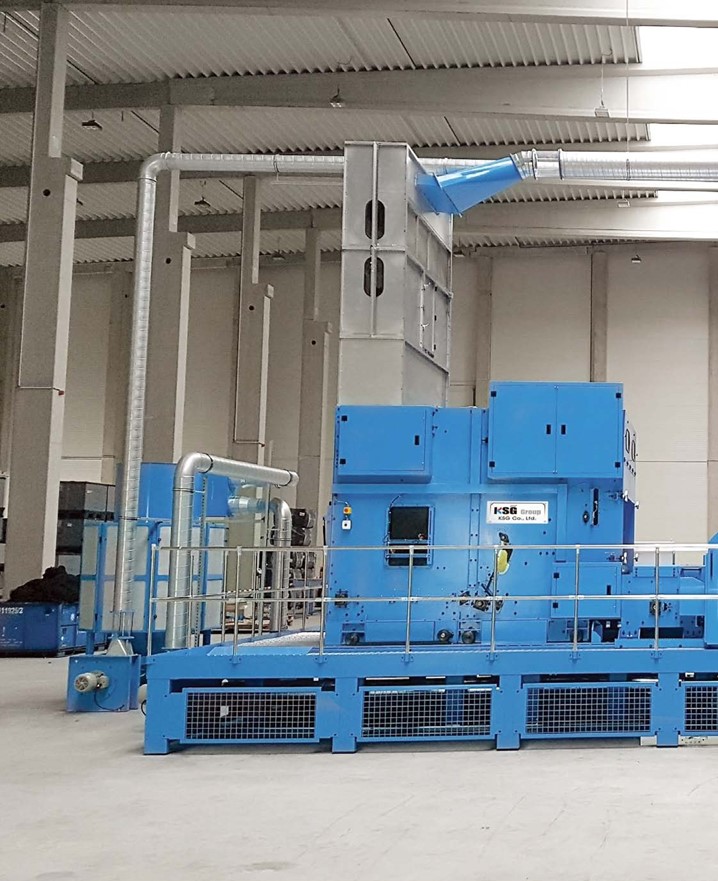
Polypropylene is one of the most common fibres we build lines for, and it earns that place honestly: it is cheap, light, hydrophobic and easy to bond. A dry-laid PP non woven fabric production line takes polypropylene staple fibre through opening, carding, lapping and bonding into shopping bags, geosynthetics, agricultural covers and a long list of other products. It is worth being clear about what we build here. This is staple-fibre processing on a carding line, not polymer extrusion; KSG does not make spunbond or meltblown PP systems, and we will always steer a buyer to the right process for their product.
Processing polypropylene staple on a dry-laid line
A PP nonwoven fabric machine line for staple fibre follows the same backbone as any dry-laid line. Baled polypropylene staple is opened and blended in the opening line, a hopper feeder meters it into the carding machine, the card opens and aligns the fibre into a web, and a cross lapper builds that web to the target weight and width before it is bonded and finished. The fibre denier and staple length the customer buys drive most of the machine settings, and PP is sold across a wide range of both, so we specify the card feed and working rolls around the actual blend rather than a generic assumption.
PP takes bonding easily, which opens up choices. Because polypropylene is thermoplastic, you can thermal bond it directly with a heating roll or a bonding dryer, or you can needle punch heavier PP felts for geotextiles, or combine the two. That flexibility is one reason PP is so popular for dry-laid product, and it means the bonding section gets designed around the specific end use rather than a single default.
What changes versus polyester
Buyers who already run polyester sometimes assume PP just drops onto the same line, and it mostly does, but a few things genuinely change and they matter on the floor. The big one is melting point: polypropylene melts far lower than polyester, roughly around 160 degrees Celsius against polyester's 250-plus, so any thermal bonding or drying temperature has to come down accordingly. Run PP through a dryer set for polyester and you will melt the web to the belt. We set the heat zones for the fibre in the blend, and on a line that runs both we make those setpoints an easy recipe change rather than a manual guessing game.
Static is the other daily reality. Polypropylene builds up static charge readily, which shows up as fibre clinging to the card clothing, fly, and web-laying that drifts. It is manageable, humidity control, correct spin finish on the fibre, and the right carding settings all help, but it has to be designed for, not discovered at commissioning. We tune the carding machine feed and doffer arrangement and the working conditions around PP's tendency to fly and cling, which keeps the web uniform and the housekeeping sane.
PP is also lighter and more slippery than polyester, so fibre transport, condensing and tension through the line behave a little differently. None of this is exotic, but it is the kind of first-hand detail that separates a line that runs PP well from one that merely runs it.
Typical PP products and how they shape the line
What the customer is making sets the whole polypropylene nonwoven line. Light PP for shopping bags and packaging covers wants a soft, uniform, thermally bonded web at low weight, so the line leans on the card, the cross lapper and a heating roll or bonding dryer, with a clean side cutter and winder at the end to give converters the roll widths they need. Agricultural crop covers and ground covers are a similar story at slightly different weights, valued for being light, breathable and UV-tolerant when the right fibre is chosen.
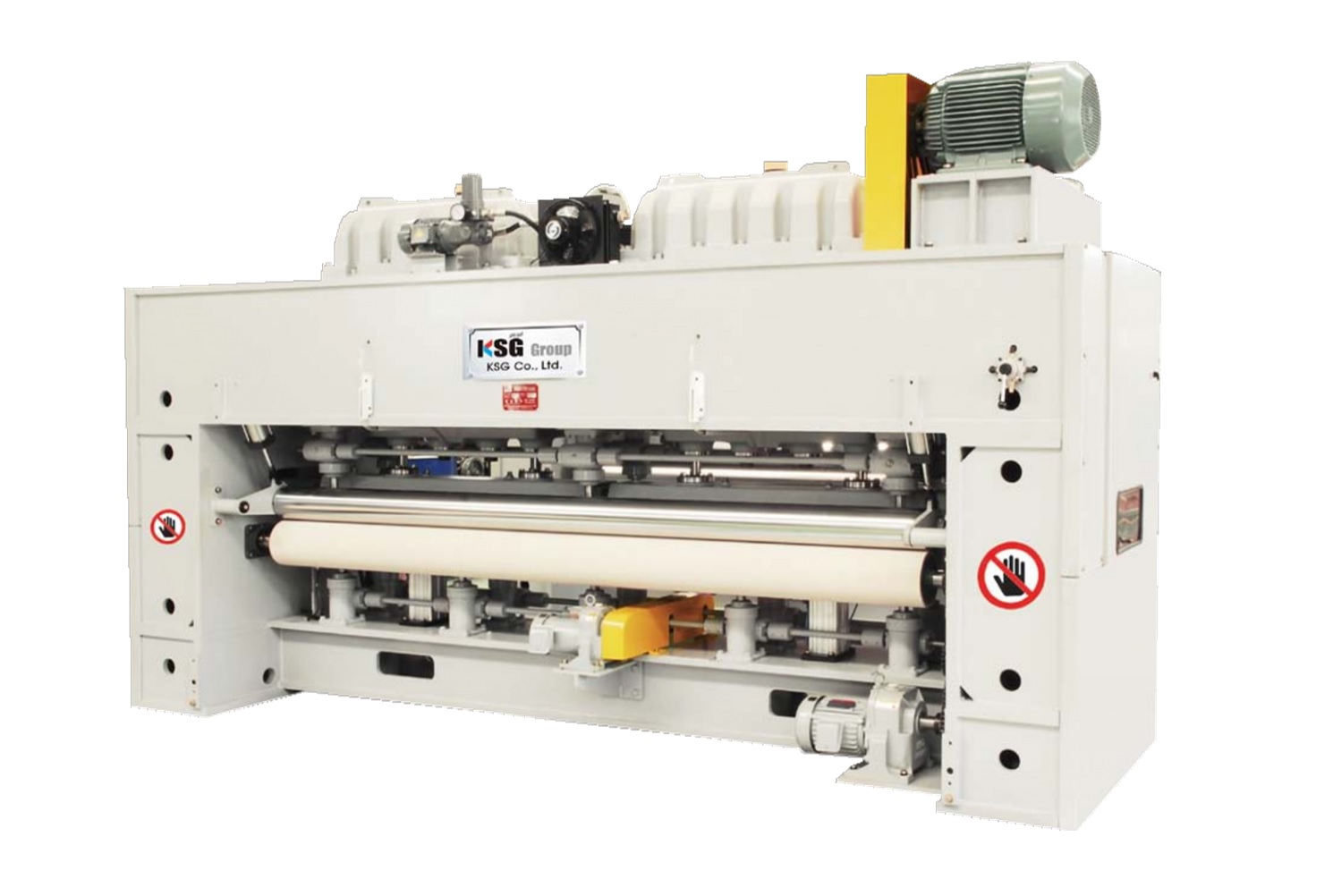
Geosynthetics are the heavy end. PP geotextiles for drainage, separation and reinforcement are needle punched to build the thickness and mechanical strength the civil-engineering spec calls for, so that line centres on a strong needle punching machine, robust cross lapping and heavy-duty finishing rather than thermal bonding. Because these products land so far apart on weight and structure, we do not sell a one-size PP line, we design it around the product the customer actually intends to ship.
Complete PP line supply from KSG
KSG builds the whole dry-laid PP line in-house, from the opening line and hopper feeder through the carding machine, HS cross lapper, the needle punching machine or thermal bonding section, and on to the cutting and winding equipment. Because one engineering team designs and builds every station, the line is specified for polypropylene end to end, the bonding heat, the carding settings and the finishing are all matched to PP from the first drawing rather than adapted from a polyester line after the fact.
With more than 30 years of building nonwoven machinery and installations in over 40 countries, we handle the whole job as one partner, from line layout through installation and commissioning on the customer's floor. When a producer wants to add polypropylene capacity or stand up a new PP plant, we can quote the complete line, build it, and send our own engineers to start it up and prove it to target product.
If you are planning a PP non woven fabric production line, whether for lightweight bags and covers or heavy needled geotextiles, KSG can design, build and install the complete dry-laid line for polypropylene staple fibre. Tell us your products, weights and target output, and we will come back with a line design and a realistic delivery and commissioning schedule.
Related equipment
Ready to integrate the PP Nonwoven Lines?
Contact our sales engineers to discuss integration, custom configurations, and pricing for your facility.