
Mulch and Crop Cover Nonwoven Line Equipment
One supplier for the whole mulch and crop cover line, from fibre opening to the winder.
Mulch mats and crop covers look simple on the field but they sit at opposite ends of the weight scale, and that is what shapes the line. A floating row cover might be 17 to 30 gsm and needs to stay soft and light-transmitting; a weed-suppression mulch mat runs far heavier and often gets needle punched for tear strength. A well-planned mulch nonwoven line lets you make both without rebuilding the plant, and that flexibility is usually the first thing a producer asks us to design in.
Fibre handling that fits the recipe
Agricultural producers rarely run virgin fibre only. It is common to blend in reclaimed PP or PET to hold the cost down, and that reclaimed fraction is exactly what stresses the opening line. We spec the bale opening, super blender and fine opener so the blend is homogeneous before it ever reaches the card, because an uneven blend is the usual root cause of streaky crop cover and weak patches in mulch.
Weighing and dosing matter here too. For consistent web weight across a wide fabric you want stable feeding into the carding machine, so we tune the hopper feeders and volumetric or gravimetric dosing to the throughput you actually need. Getting this section right is cheap insurance against scrap further down the line.
Forming the web: carding and cross lapping
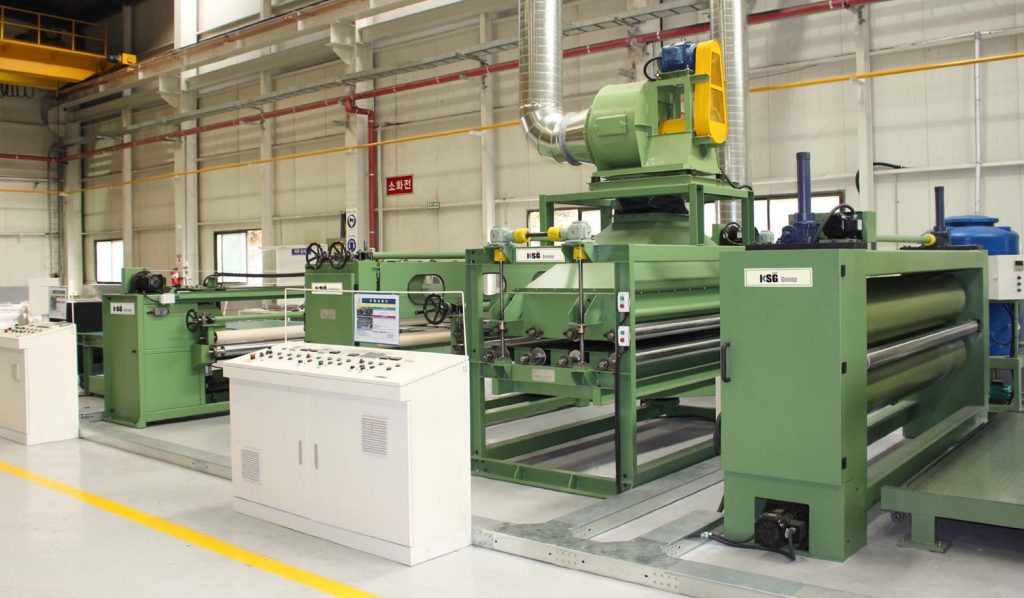
Light crop cover nonwoven grades form well on a single card with a doffer web laid straight to the bonding stage. Once you move into heavier mulch, the card alone cannot lay enough mass at a sensible speed, so we bring in a cross lapper to build the batt in layers. The HS cross lapper pairs with the carding machine to reach mid and high gsm evenly, and it also lets you cross-orient the web for better dimensional stability, which matters when the fabric gets stretched over hoops or pulled off a roll in the wind.
We size the card working width to your finished roll width plus trim. There is no point carding narrower than you sell, and carding much wider than you sell just wastes fibre at the edges. This is the kind of detail we settle during layout rather than after the steel is cut.
Bonding, drying and finishing
The two products bond differently. Light crop covers are usually thermal or resin bonded, so the batt runs through a dryer where the binder or low-melt fibre sets the web. Our dryer sections are built with even airflow across the width, because a hot or cold lane in the oven shows up as inconsistent strength in the finished cover. For crop cover nonwoven production equipment, control over dryer temperature and residence time is what keeps the hand soft while still bonding the web.
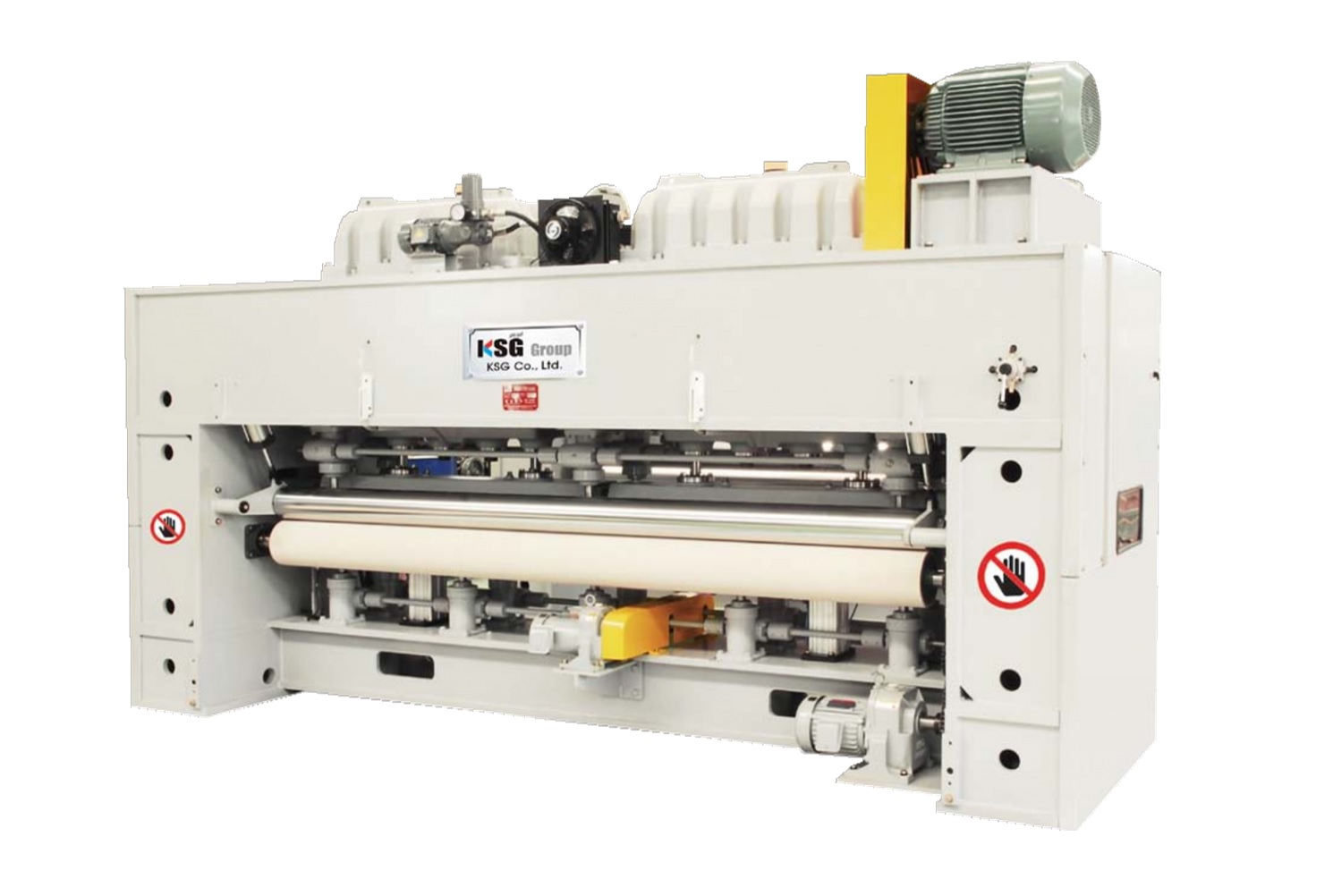
Heavier mulch mats go the mechanical route through a needle punching machine, which entangles the fibres for tear and puncture resistance without any binder. After bonding, side cutters trim the selvedge clean and the winder builds the roll. We match slitting and winding to how the fabric is applied in the field, whether that is narrow hand-laid rolls or wide machine-laid goods.
Across both routes, changeover time is the number that decides your real output. We plan the mulch nonwoven line so switching between a light cover and a heavy mat is a matter of recipe and a few mechanical settings, not a shift of downtime.
KSG Group supplies this line complete: opening and blending, carding machine, cross lapper, needle punching machine or dryer bonding, side cutters and winding, engineered together and commissioned by our own team. Tell us your grade range and output target and we will lay out a mulch and crop cover line built to run them.
Related Technology Guides
Ready to integrate the Agriculture?
Contact our sales engineers to discuss integration, custom configurations, and pricing for your facility.