
Waste Picker
Reclaims end-cut and scrap fabric back into reusable fiber.
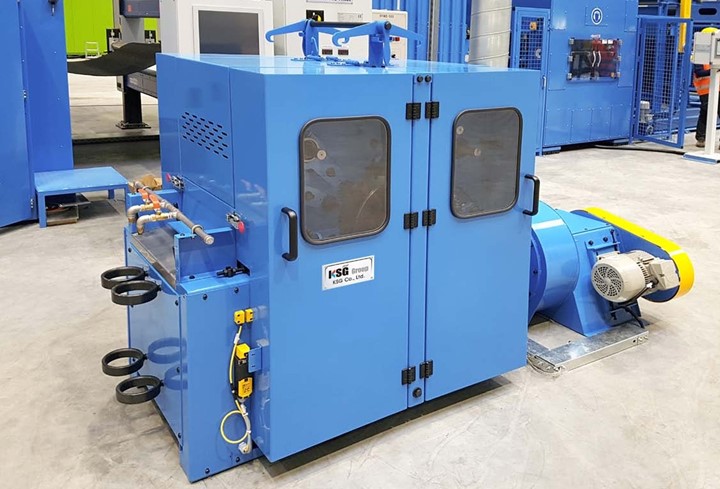
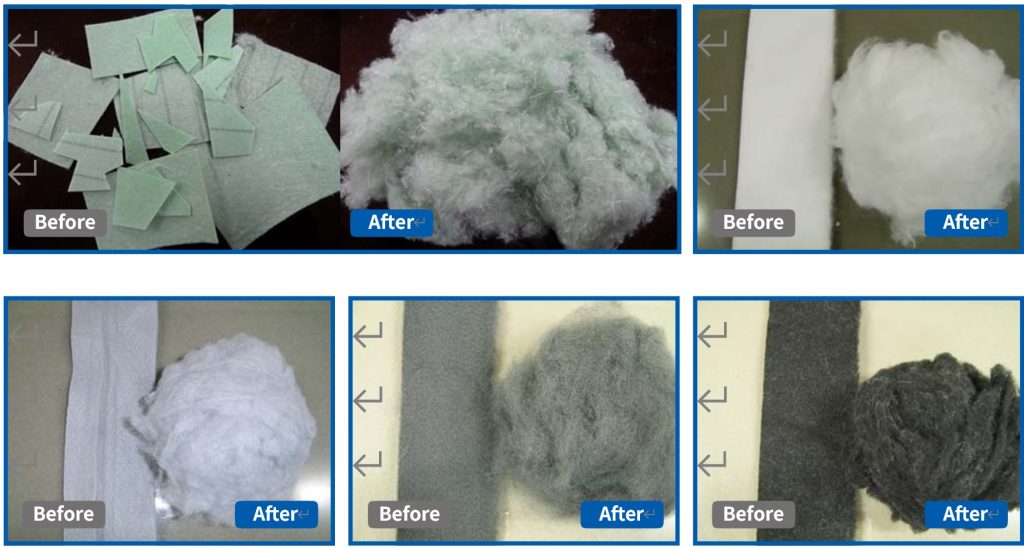
The waste picker recovers the scrap and end-cut fabric a production line inevitably generates. It runs the offcuts through compression, opening and separation, reclaiming usable fiber that can go straight back into the process. That keeps material in the supply chain instead of the bin, which lowers cost and material use at the same time.
Scrap is fed in and compressed by the feed roller and nose bar, then handed to rotating cylinder rollers and worker-and-stripper rollers that open and fluff the fiber for reuse. The design opens fiber without cutting it more than necessary, so length and quality are preserved. Once opened, a fan carries the fiber to a mixing tank or control hopper and back into the flow.
It is not limited to in-line scrap, either; it takes other textile waste too, which makes it useful for broader recycling. Two configurations are offered, 500mm and 1000mm working widths handling 25 to 50 kg/hr, with motors matched to capacity for sustained industrial use. It is also known as a fiber reclaimer, fabric recycling machine or end-cut recycling system.
How this stage contributes to the line
An even web depends on the feeder, card and lapper working together. KSG's catalogue describes different feed arrangements and wire selection for fiber thickness and length. The cross lapper then manages web placement and weight distribution, while the needle loom provides the required mechanical consolidation.
Explore KSG's integrated engineering approach Existing Line UpgradesInformation that defines the right configuration
Equipment selection and pricing depend on the product, process, output, site, and supply scope. Prepare these points before requesting a technical proposal.
Product and application
End use, sample product, quality targets, roll or pack format, and required product range.
Raw materials
Fiber or polymer, blend, denier, staple length, additives, and material condition.
Output and dimensions
Target throughput, GSM range, finished and process width, tolerances, and changeovers.
Facility and utilities
Layout, clear height, access, power, heat, air, water, ventilation, and local standards.
Project and support scope
Automation, controls, installation, commissioning, training, acceptance, and spare parts.
Technical Specifications
Waste Picker specifications
| Specifications | WP20 | WP40 |
|---|---|---|
| Working Wide | 500mm | 1000mm |
| Capacity | 25kg/Hr | 50kg/Hr |
| Horse Power | 9.95Kw | 14.5Kw |
Gallery
Key Features
End-cut recovery
Reuses fabric scraps, especially ends trimmed during punching, cutting waste significantly.
Compression and opening
Feed roller and nose bar compress the scrap, then cylinder and worker-stripper rollers open and fluff the fiber.
Minimal fiber cutting
Opens and separates without excessive cutting, preserving fiber length and quality for reuse.
Automatic transfer
An integrated fan moves opened fiber to a mixing tank or control hopper for seamless reintegration.
Material versatility
Handles in-line scrap and other textile waste, suiting broader recycling applications.
Robust, efficient drive
Motors are matched to processing capacity for sustained industrial use and controlled energy consumption.
Applications
Interested in the Waste Picker?
Contact our sales engineers to discuss integration, custom configurations, and pricing for your facility.