
Upgrading an existing nonwoven production line
Plan carding, cross-lapper or dryer replacement with KSG: diagnose the bottleneck, match interfaces and prepare installation and production trials.
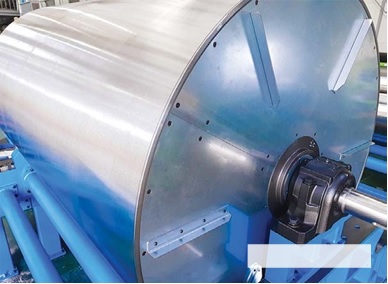
Replacing a slow machine does not automatically increase a line's saleable output. The next stage may already be full, or the incoming feed may be the actual constraint. Start with the current process and the fabric you want to make before choosing a replacement card, lapper or dryer.
Find the limiting stage
Record actual feed, width, fabric weight, running speed, downtime and rejected material for the product that matters. Note when the line waits for material or stops because the next machine cannot accept it. This separates a capacity issue from a feed or quality issue.
Match the new machine to both neighbours
For a card or cross lapper, review web width, transfer height, feed stability, speed signals and the required weight distribution. Share existing machine drawings and nameplates. KSG's range covers individual process stages as well as coordinated lines, so the discussion can focus on the replacement boundary.
Review heat and services before changing a dryer
A dryer change affects more than the space it occupies. Supply the heating method, available utilities, exhaust arrangement, fabric path and target thermal treatment. The proposed chamber, residence time and cooling section must work with the actual upstream and downstream equipment.
Plan the stop and restart
Set out removal access, foundations, lifting, installation, electrical and controls connections, and responsibility for existing equipment. Agree the production trial and operator handover before the shutdown. Delivery and downtime commitments should follow the confirmed design and site-readiness plan.
Send the existing line layout, bottleneck observations, machine data and target fabric. KSG can use them to discuss a defined replacement or extension scope rather than quoting an unrelated complete plant.
Related Resources
Ready to define your project requirements?
Send the information you already have. KSG can then clarify the equipment scope, open questions, and information needed for a meaningful quotation.