
How to Choose a Nonwoven Equipment Manufacturer
Distinguishing true engineering integration from equipment trading in the global market.
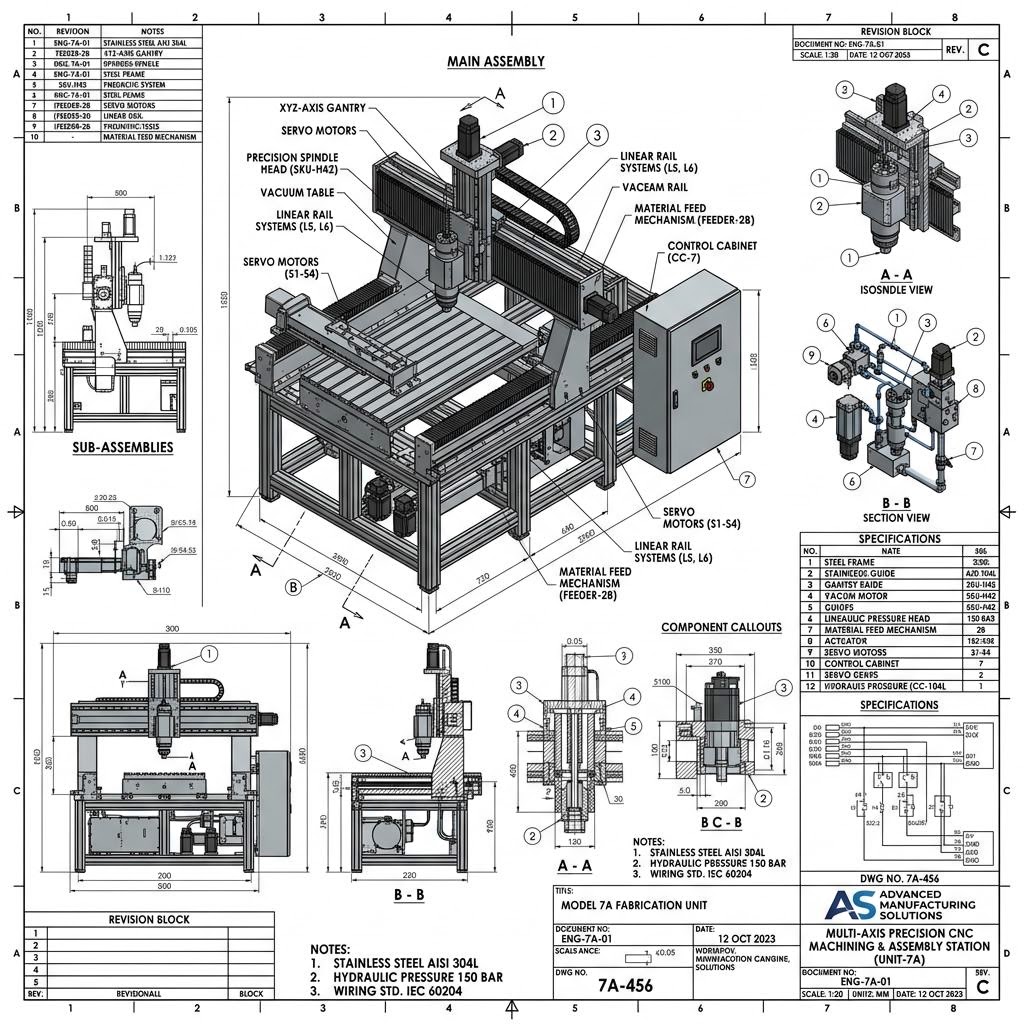
Suppliers use different business models: some design and build much of the equipment they sell, while others coordinate equipment from multiple partners. The buyer's task is to understand the engineering, manufacturing, and interface responsibilities behind the proposal.
Manufacturer vs. Trader: The Critical Distinction
The label on a proposal does not prove who designed, manufactured, or integrated the line. Ask which equipment is built by the supplier, which items come from partner companies, and who owns the mechanical and control interfaces between them.
A factory visit, live video inspection, manufacturing records, and sample engineering drawings can help verify the answer. The goal is not to reject every multi-company project; it is to know who is accountable when equipment from different stages must operate as one continuous process.
- Request the legal supplier name, manufacturing location, and scope of work.
- Ask who designs the line layout, controls, safety interfaces, and utility connections.
- Confirm which components are made in-house and which are sourced from named partners.
- Identify one technical owner for commissioning and interface issues.
Turnkey Integration Scope
Turnkey is a scope definition, not a synonym for a complete machine list. Clarify whether the proposal covers process design, equipment, controls, plant layout, utilities, shipping, installation supervision, commissioning, operator training, documentation, and acceptance testing.
Compare proposals line by line. A lower quotation may exclude ducting, interconnecting cable, platforms, spare parts, or on-site labor that another supplier includes. The accountable party for each interface should be written into the commercial and technical scope.
- Require a written supply boundary and responsibility matrix.
- Check whether layouts include access, maintenance clearance, material flow, and operator routes.
- Define factory and site acceptance criteria before purchase.
- List customer-supplied utilities, civil works, lifting equipment, and local labor.
Post-Installation Support and Lifecycle Reliability
Support terms should be evaluated before the order, not after startup. Ask how troubleshooting is handled, which spare parts are recommended for commissioning and routine operation, how software backups are delivered, and what training documents operators receive.
Avoid assuming a standard response time, warranty period, or spare-parts commitment. Request the actual commercial terms for your project and compare exclusions as carefully as headline coverage.
- Commissioning team roles and estimated on-site duration
- Operator, maintenance, and controls training scope
- Spare-parts list with lead times and alternative part references
- Remote support method, working languages, and escalation path
A clear evidence trail and responsibility map make supplier proposals easier to compare before a project moves into detailed engineering.
Related Resources
Ready to define your project requirements?
Send the information you already have. KSG can then clarify the equipment scope, open questions, and information needed for a meaningful quotation.