
Understanding Nonwoven Production Line Costs
Beyond the sticker price: Analyzing the true total cost of ownership.
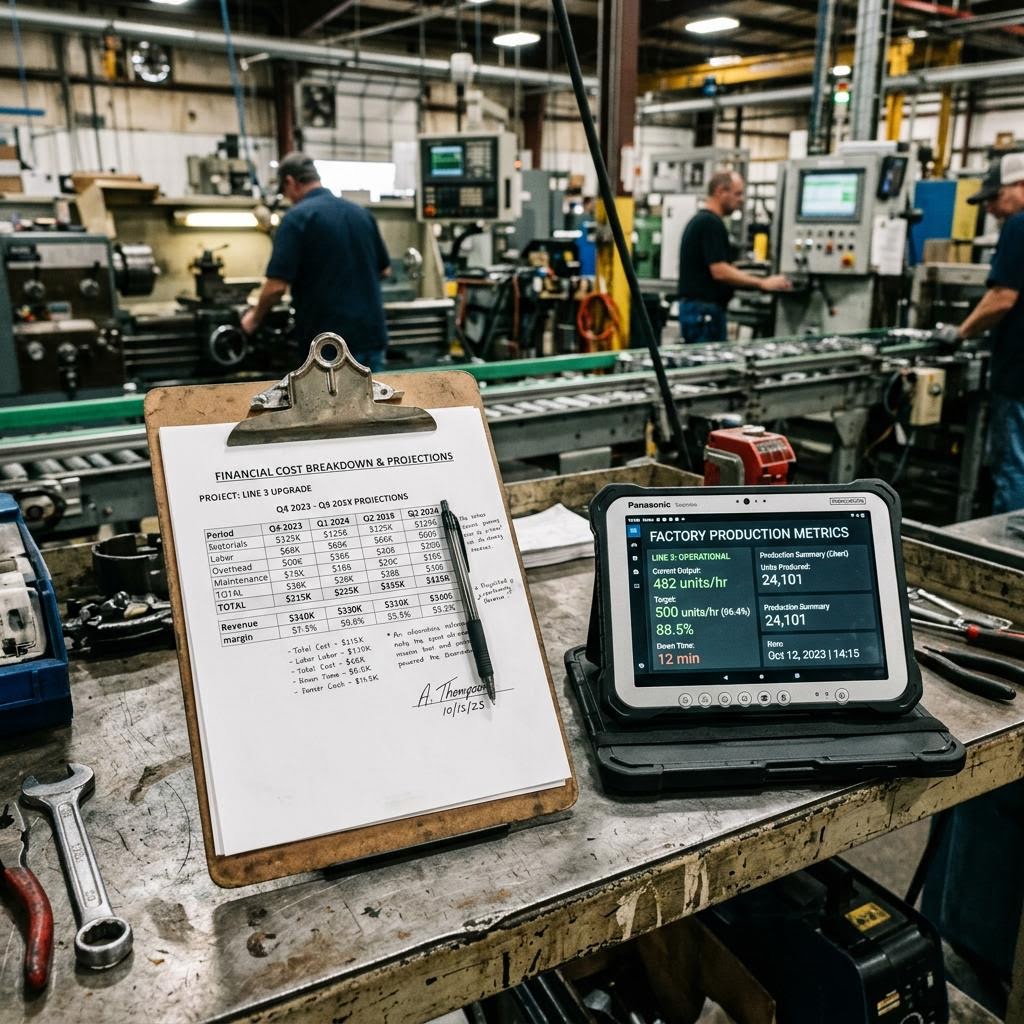
Evaluating a nonwoven production line based solely on initial capital expenditure is a critical error. The true cost of an industrial line encompasses mechanical longevity, operational efficiency, utility consumption, and the financial impact of unscheduled downtime.
Initial Capital Expenditure (CapEx) Drivers
The main cost drivers are the process route, raw material, target product, working width, GSM range, throughput, automation level, quality-control requirements, and the number of product changes the line must support. Each variable affects equipment size, drives, controls, material handling, and process stability.
Automation and data requirements also change the quotation. Recipe management, synchronized drives, inspection systems, traceability, and connections to plant systems may be useful, but their value depends on labor, quality, and reporting needs at the buyer's facility.
- Process and bonding method
- Fiber or polymer type, blend, denier, and staple length
- Finished width, GSM range, throughput, and product tolerance
- Automation, inspection, data, and changeover requirements
Installation and Commissioning Variations
Equipment price alone does not show the installed project cost. Shipping, duties, inland handling, foundations, utilities, lifting, electrical work, installation labor, commissioning materials, travel, accommodation, training, and production trials may sit inside or outside a supplier's quotation.
Ask every bidder to use the same scope table. This makes exclusions visible and prevents a low equipment price from being compared with a proposal that includes more site work and startup support.
- Packing, freight, insurance, duties, and inland transport
- Foundations, platforms, ducting, piping, cabling, and utility connections
- Installation supervision, local labor, lifting, and safety coordination
- Commissioning raw material, trials, acceptance tests, and training
Total Cost of Ownership (TCO) and Lifecycle Economics
A total-cost comparison should model electricity, thermal energy, compressed air, labor, consumables, planned maintenance, wear parts, expected changeovers, and the business impact of downtime. Request consumption estimates with stated operating assumptions rather than treating a single number as universal.
Component availability also matters. Ask for a component list, recommended spare-parts package, maintenance intervals, and alternatives for parts that may be difficult to source in the destination country.
- Utility estimates at the proposed product and output
- Labor and changeover assumptions
- Consumables, wear parts, lubrication, and planned maintenance
- Local availability of motors, drives, sensors, bearings, and controls
There is no responsible fixed price without a defined product, process, output, scope, and site. Compare quotations on the same assumptions and evaluate the installed project cost as well as the equipment price.
Related Resources
Ready to define your project requirements?
Send the information you already have. KSG can then clarify the equipment scope, open questions, and information needed for a meaningful quotation.