
Why integrated engineering matters on a nonwoven line
How KSG coordinates dry-laid nonwoven equipment, evaluates production conditions and plans commissioning and support for an integrated line.
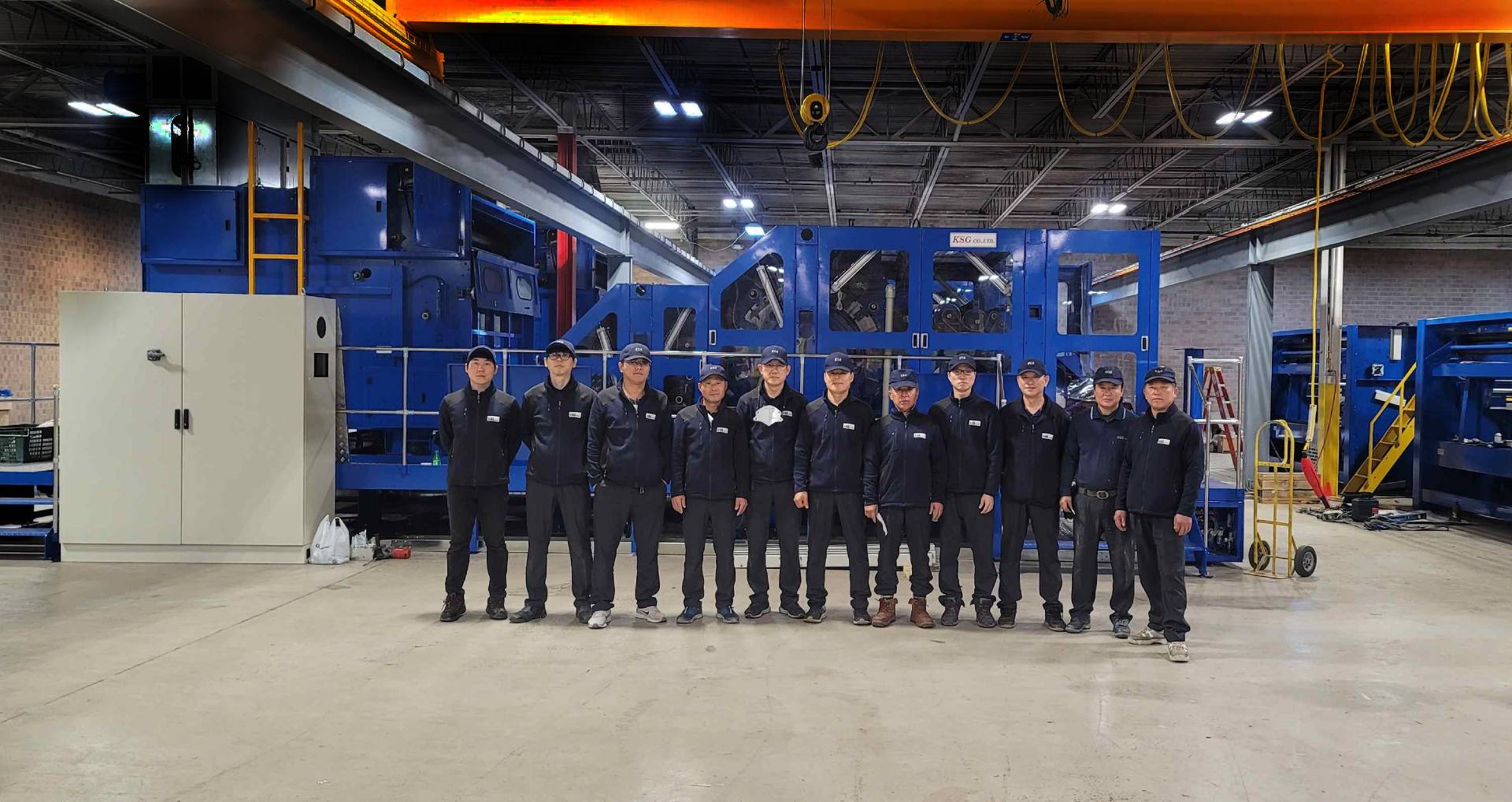
A good carding machine can still sit in a poorly matched line. Feeding interruptions, incompatible widths or an undersized finishing stage can limit the whole plant. KSG's approach is to bring the machine specialties together around a defined product and material, then carry those decisions through to installation.
Connections designed before delivery
KSG's equipment range covers opening, carding, cross lapping, needling, drying and recycling. These stages have different jobs, but they share material flow and control interfaces. Coordinating the machine train early makes it easier to resolve where one stage ends and the next begins.
For the buyer, this means discussing one process layout alongside the equipment list. Widths, transfer points, storage, drives and operating responsibilities can be reviewed together instead of being discovered during assembly.
A comparison based on usable production
The chairman's emphasis is practical: look at the equipment running and judge the fabric it makes. KSG's historical materials include supply to Japan, the United States and Bangladesh. Ask which operating example, factory inspection or material trial is appropriate for the proposed process.
Use the same material, finished width, fabric weight and quality requirements when comparing solutions. Catalogue speed is only one input. Saleable output, changeovers, utilities and maintenance access determine how a line fits the business.
Engineering choices that reach the product
Load-cell weighing helps control blend proportions. Fiber-specific feed and wire arrangements support carding. Web support and profiling matter at the cross lapper, while heat circulation matters in the dryer. These are concrete design choices to discuss against the finished-fabric requirement.
A recycling project needs its own route. The supplied felt drawing uses cutting, opening, cleaning, storage, forming and drying. It should not be treated as the same process as the carded, needle-punched geotextile layout.
Commissioning and service as part of the purchase
KSG emphasizes a continuing technical relationship after delivery. Agree the installation scope, operator training, production trial and handover documents while the project is being specified. This gives both teams a shared definition of a working line.
Support duration and coverage depend on the equipment and contract. Specify the parts, wear items, response process and buyer responsibilities in writing. An achievable start-up plan and clear support scope are more useful than a promise without conditions.
Send a fabric sample, raw-material information, target output and site layout. KSG can use these to discuss a coordinated equipment proposal and the evidence needed for your purchasing decision.
Related Resources
Ready to define your project requirements?
Send the information you already have. KSG can then clarify the equipment scope, open questions, and information needed for a meaningful quotation.